
FLIP OUT (Gimmicks and Online Instruction) od Joel Dickinson
Výběr produktů Magic Studio 2000
Detail produktu
Video ukázka produktu
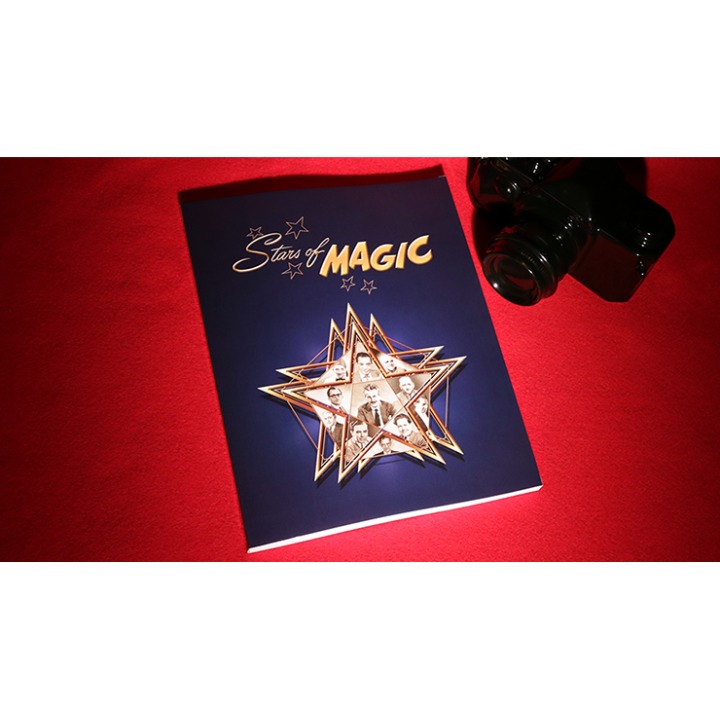
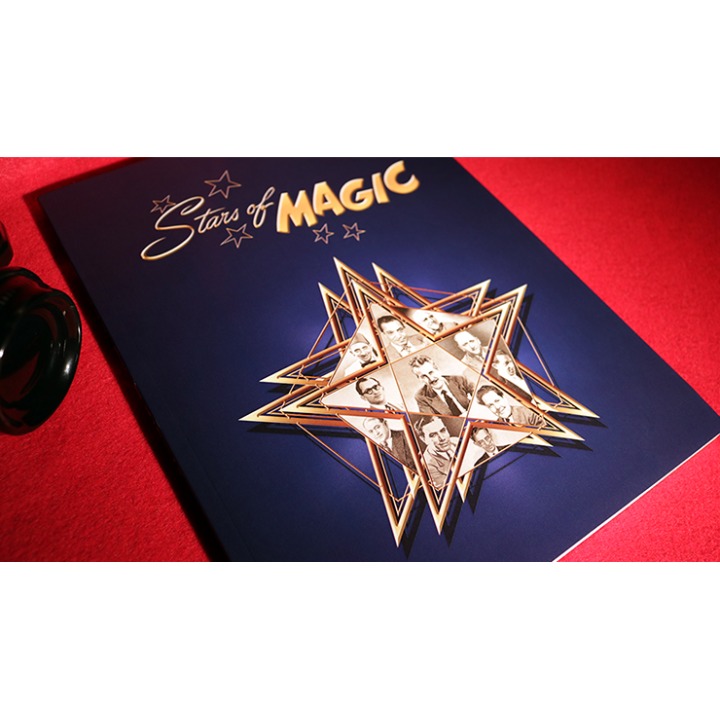
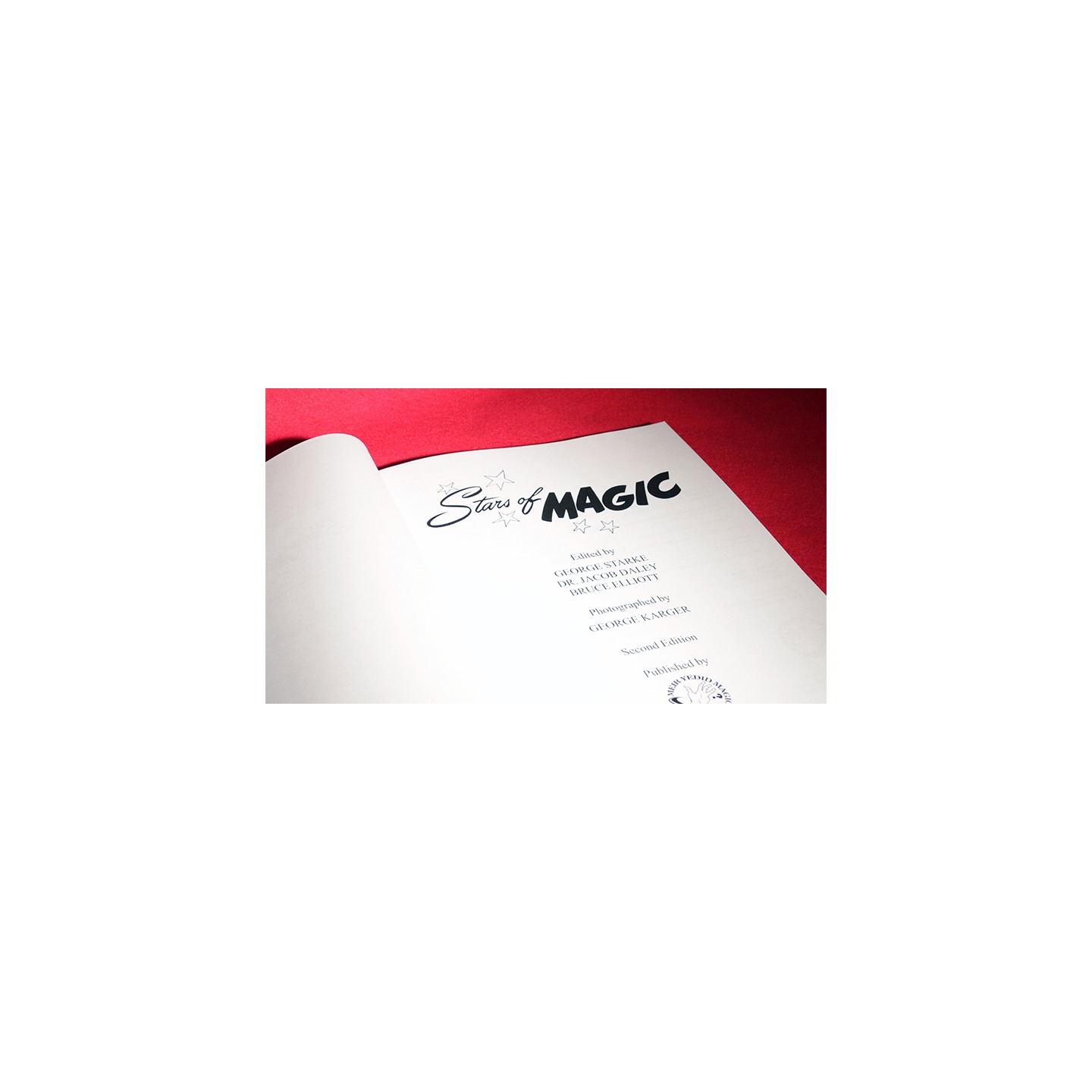
Stars of Magic (Soft Cover) by Meir Yedid - Book Obrázky
Stars of Magic (Soft Cover) by Meir Yedid - Book
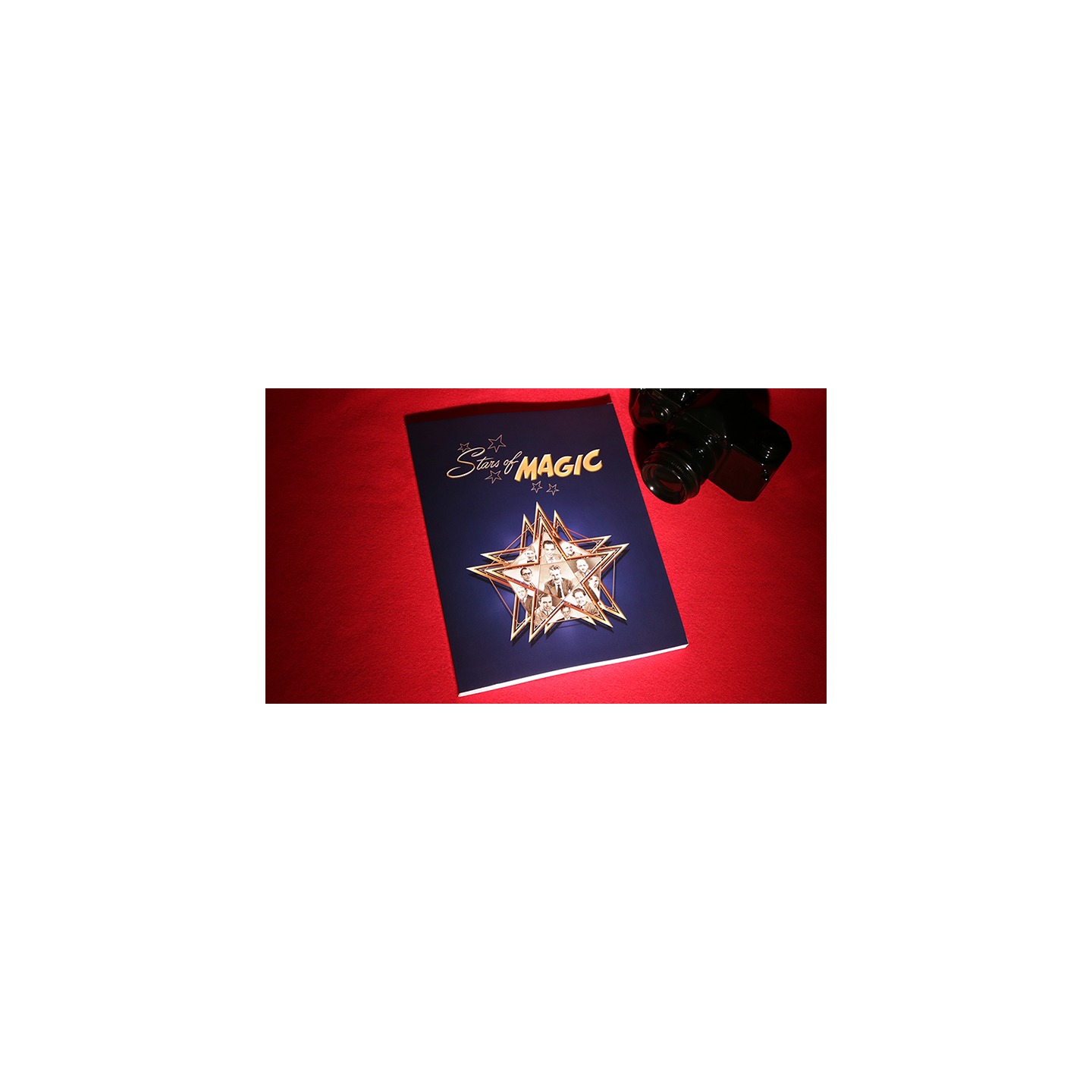
Kniha Stars of Magic (Soft Cover) od Meir Yedid
Pokud jste nečetli a nenaučili se kouzla obsažená v této knize, ještě nejste plnohodnotným kouzelníkem close-up. Magie Johna Scarna, Dai Vernona, Berta Allertona, S. Lea Horowitze, Emila Jarrowa, Francise Carlylea, Dr. Jacoba Daleyho, Tonyho Slydiniho, Rosse Bertrama, Natea Leipziga a Maxe Maliniho pomohla utvářet umění close-up magie. zname to.
Často se říkalo, že zvládnutí magie v této knize z vás učiní dokonalého close-up umělce a obratného. V mnoha ohledech obsahuje všechna kouzla, která potřebujete k vybudování repertoáru profesionálního kalibru. Mnozí si těmito rutinami vydělali na živobytí a nyní můžete i vy.
Obsahuje: 41 neuvěřitelných rutin od 11 úžasných umělců, historický úvod a bonusovou část se soukromou korespondencí související s Hvězdami kouzel .
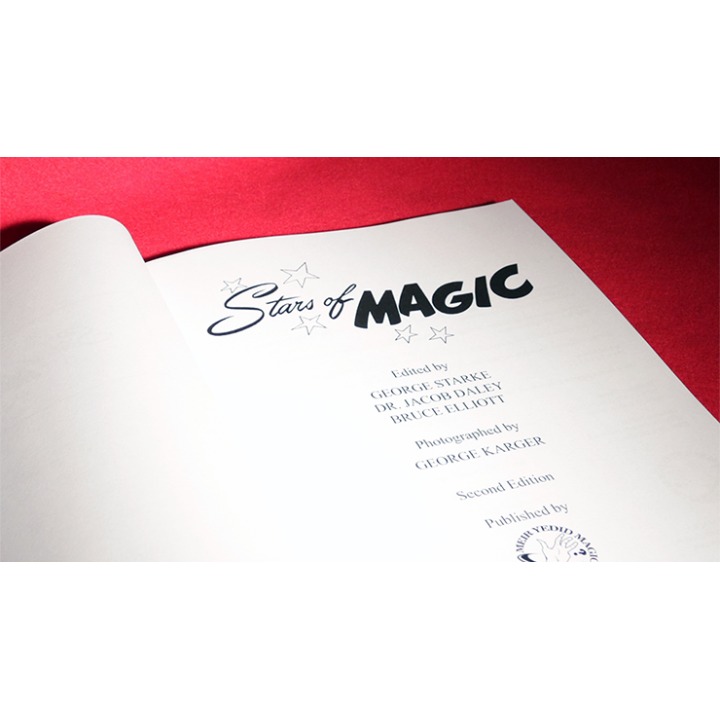
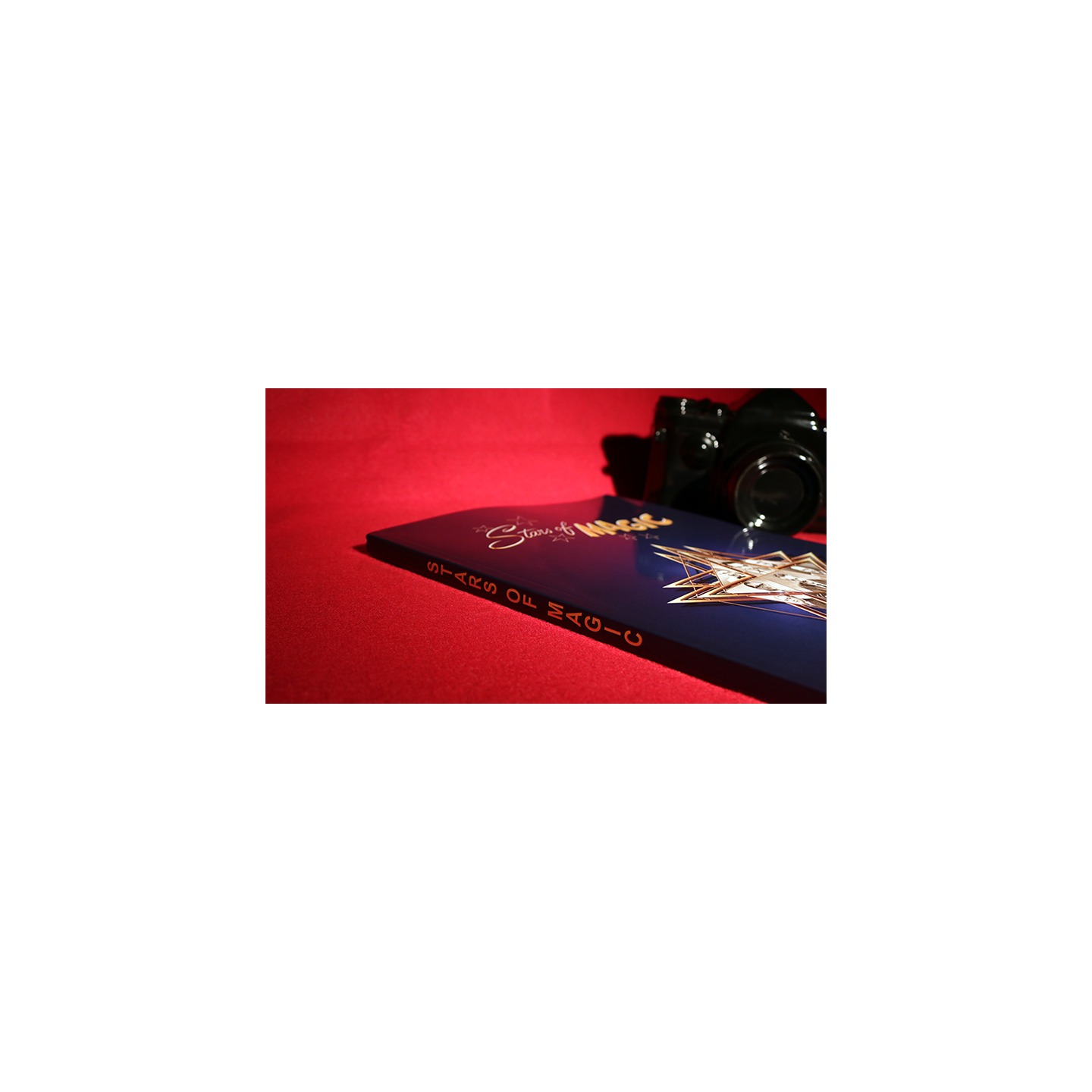
Druhé vydání. První brožované vydání. Vydalo nakladatelství Meir Yedid Magic v roce 2017. 176 stran napsali George Starke, Dr. Jacob Daley, Bruce Elliott a Meir Yedid. 378 fotografií George Kargera. 8,5 x 27,9 cm, měkká vazba, bezvadná vazba.
Všechny rutiny byly původně prodávány jako samostatné rukopisy. Při zakoupení samostatně by vás stály 98,00 USD. Níže jsou jejich původní popisy:
Série 1, č. 1: Klasická plesová rutina Johna Scarna:
Výsledkem je ohromující série magických objevů a mizení malých kuliček. Počínaje odebráním špetky popela z popelníku způsobíte, že se kulička za kuličkou záhadně zhmotňuje, množí a mizí. Na konci rutiny se koule opět stanou popelem.
Série 1, č. 2: Trojitá náhoda Johna Scarna:
Pomocí dvou běžných balíčků se zadními stranami různého designu divák zamíchá jeden balíček, zatímco předvádějící zamíchá druhý. Předvádějící se v žádném okamžiku nedotýká divácké paluby. Divák třikrát rozsekne svůj balíček, pokaždé si vymění kartu s předvádějícím. Když oba rozloží své balíčky, stane se zázrak - pokaždé, když divák a předvádějící objeví jednu ze tří cizích karet ve svých balících, karty se ukáží jako stejné - trojnásobná náhoda. Oba balíčky jsou ponechány na stole k prozkoumání.
Série 1, č. 3: Stříbrný a měděný trik Johna Scarna:
Stříbrná mince v ruce diváka magicky mění místo s měděnou mincí v ruce performera. Následuje krásný průrazný efekt mince procházející kapsou kalhot. Po mnoho let měli kouzelníci dojem, že Scarne používá napodobené mince. Nyní Scarne ukazuje, že to dělá s obyčejnými mincemi a dává vám svou přesnou metodu.
Série 2, č. 1: Dai Vernon's Triumph:
Dai Vernon prozradil jeden ze svých nejúžasnějších objevů, nádherný karetní zázrak s názvem „Triumf“. Jde o revoluční trik, po kterém bude toužit každý kouzelník. Jedná se o snadno proveditelný falešný shuffle ekvivalentní tahovému náhodnému míchání, který je považován za jeden z nejobtížnějších ze všech hazardních triků. Jen velmi málo kouzelníků je schopno provést úhledné a klamné protažení, protože to vyžaduje roky neustálého cvičení a většina z nich toto úsilí znechuceně opustila. Nyní můžete pomocí falešného míchání Dai Vernona dosáhnout stejného výsledku s velmi malou praxí. Zjistíte, že je to perfektní falešné míchání pro udržení pořadí červených a černých. Navíc milovníci hazardních triků budou z tohoto triku jásat, protože pořadí celého balíčku může být zachováno.
Série 2, č. 2: Dai Vernon's Cutting the Aces:
Čtyři esa, spravedlivě rozmístěná po celém balíčku, jsou seříznuta s neskutečnou přesností novým a působivým způsobem. Jen málo kouzelníků mělo dosud tu čest vidět tuto mimořádnou rutinu, která produkuje jeden z nejzábavnějších improvizovaných efektů v karetní magii. Dai Vernon zde také poprvé odhaluje svůj vlastní způsob ovládání karet během procesu řezání. Toto tajemství samo o sobě je nesmírně cenný trik, pro který můžete najít četné využití při kouzlení karet.
Série 2, č. 3: Dai Vernon's Spellbound:
Dai Vernon odhaluje drahocennou rutinu, která byla po mnoho let jednou z jeho domácích záhad. Efekt zahrnuje řadu pozoruhodných a nevysvětlitelných změn dvou mincí stejné velikosti, ale ražených z různých kovů, jako je půldolar a anglický cent. Využívá velmi staré lsti původně používané anglickými podvodníky na okresních veletrzích a karnevalech. Až dosud byla tato rutina střežena, a proto je kouzelnickému bratrstvu prakticky neznámá. Přestože se efekt zdá být extrémně složitý, jeho jednoduchost vás zaujme.
Série 2, č. 4: Klokaní mince Dai Vernona:
Jedná se o originální metodu Dai Vernona prohazovat mince, jednu po druhé, přes stůl do sklenice. Mašinky použité v tomto efektu vypadají velmi přirozeně a jsou snadno proveditelné. Přidáním skvělé chybné orientace a jemností k přirozeným pohybům vytvořil Dai Vernon velkolepou rutinu. Po nacvičení a zvládnutí této rutiny budete mít efekt, který vás ustanoví jako vynikajícího umělce.
Série 3, č. 1: Bert Allerton's Pump Room Phantasy:
Dvě červená esa jsou vystavena, jedno nahoře a druhé dole na balíčku. Jsou neomylně vloženy do středu balení, když "Presto!" zobrazují se nahoře a dole. Tato akce se opakuje a při třetí změně se stanou černými esy. Černá esa jsou také vložena do středu, jen aby se vrátili nahoru a dolů. Poté se jedno červené eso změní na černé a jedno černé na červené a nakonec jsou všechna čtyři esa vytvořena k překvapivému vyvrcholení.
Série 3, č. 2: Bert Allerton's Bamboozle:
Kouzelník vypráví příhodu, kdy byl zjevně proměněn, ale nakonec vyšel před hrou.
3. řada, č. 3: Malini-Bey Chink a Chink S. Leo Horowitze:
Čtyři kostky cukru, kostky nebo domino jsou rozloženy na stůl ve čtverci o velikosti 38,1 cm. Kouzelník položí každou ruku na kostku. Prsty zatřese a ruce se odstraní. Po několikanásobném opakování této akce se zjistí, že čtyři kostky, jedna po druhé, záhadně putovaly na jedno místo. Tato rutina vede k zábavnému závěru, kdy performer ukazuje, že kostky umístěné v jeho kapse si nějakým způsobem našly cestu zpět do jeho ruky.
3. řada, č. 4: Tajemství egyptského plesu S. Lea Horowitze:
Umělec vystavuje červenou kouli a bílou kouli. Červená koule je neomylně zabalená do hedvábného kapesníku a umístěna do sklenice. Bílá koule se zvedne a drží na konečcích prstů. Najednou se změní v červenou kouli. Umělec pak sejme kapesník ze sklenice a odhalí, že červená koule se záhadně změnila v bílou.
Série 3, č. 5: Jarrow's Hanky-Panky:
Kapesník drží v rozích dva diváci ve vodorovné poloze. Přes kapesník se položí list novin a pod středem kapesníku se drží zapálená cigareta. Cigareta se náhle propálí novinami, ale po odstranění papíru se zjistí, že kapesník nebyl poškozen.
Série 4, č. 1: Dekapitace Francise Carlyla:
Předvádějící si půjčí balíček papírových zápalek a jednu zápalku odebere. Seškrábne hlavu na obou stranách a jasně ukazuje, že chybí hlavička zápalky. Náhle se hlava záhadně znovu objeví. Umělec zapálí zápalku. Silná vlastnost tohoto efektu je v opakování. Umělec vytrhne druhou zápalku. Znovu seškrábne hlavu na obou stranách. Znovu se záhadně objeví hlava a umělec zapálí zápalku.
Série 4, č. 2: Naváděcí karta Francise Carlyla:
Divák si vybere a označí kartu na její líci libovolným identifikačním znakem. Předvádějící ukáže, že jeho pravá kapsa u kalhot je prázdná, a poté nechá diváka vrátit označenou kartu do balíčku. Umělec ukazuje, že nemá v ruce žádnou kartu, sáhne do kapsy u kalhot a odhalí, že tam přišla karta. Divák je požádán, aby svou kartu pojmenoval, a předvádějící ukáže kartu v kapse jako zvolenou kartu s identifikačním znakem diváka. Umělec otevřeně vrátí vybranou kartu do středu balíčku a položí balíček na stůl nebo do ruky diváka. Poté, co ukázal, že obě ruce jsou neomylně prázdné, pomalu sáhne do kapsy a znovu dramaticky vytáhne označenou kartu.
Série 4, č. 3: Krádež náramkových hodinek Francise Carlyla:
Divák umístí identifikační značku na měděnou a stříbrnou minci. Jedna mince se vloží do kapesníku, který drží divák. Umělec drží druhou minci. Na jeho povel mince, kterou držel, zmizí a ozve se hlasité cinknutí. Záhadně se k minci umělce připojila mince v kapesníku, který držel divák. Při zkoumání se zjistí, že jde o mince původně označené divákem. Tento efekt je sám o sobě vynikající. Na diváka zapůsobí vaší schopností dělat s mincemi zázraky. Psychologicky se tak stává snadnou kořistí pro hlavní efekt. Pan Carlyle způsobí, že divák uvěří, že uvidí další trik s mincí, který je ještě nemožnější než ten předchozí. Je tak schopen získat divákovy náramkové hodinky bez jeho vědomí. To je snadné, protože divákova mysl se zajímá pouze o to, že uvidí zázrak mince, a nikdy nemá podezření, že jeho hodinky mají být ukradeny. Mechanika samotné krádeže je jednoduchá a je načasována přesně tak, aby se shodovala s rušivými prvky.
Série 5, č. 1: Impromptu Cups and Balls Dai Vernona:
„Poháry a koule“ jsou a zůstanou jednou z velkých klasik triků z ruky. Za starých časů se kouzelníkova schopnost posuzovala podle jeho provedení tohoto efektu. Přitažlivost pro laika spočívá v tom, že trik ztělesňuje téměř každý možný efekt - objevení se, mizení, pronikání, transpozice a změna formy. Dai Vernonova metoda provádění „pohárů a koulí“, zde vysvětlená poprvé, byla vyvinuta v průběhu let do bodu, kdy jsou odstraněny všechny nadbytečné pohyby a náležitě zdůrazněny nejsilnější rysy triku. Vyvrcholení je dosaženo logickým způsobem a celá rutina nikdy nepřestane ohromit ty nejnáročnější diváky.
Série 5, č. 2: Ambiciózní karta Dai Vernona:
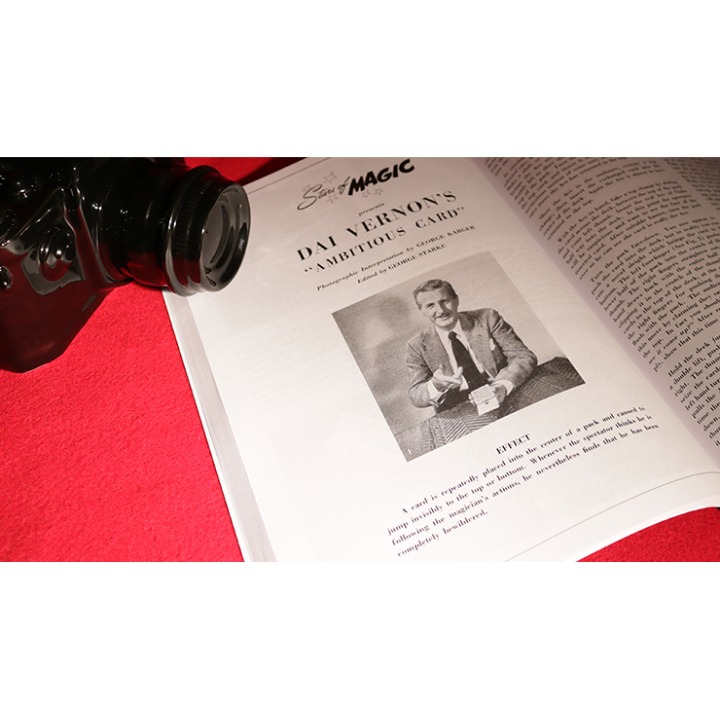
Karta je opakovaně umístěna do středu balíčku a neviditelně vyskočí nahoru nebo dolů. Kdykoli si divák myslí, že sleduje kouzelníkovo jednání, přesto zjistí, že byl zcela zmaten.
Série 5, č. 3: Zázrak mentální karty Dai Vernona:
Divák má v duchu volnou volbu jedné z pěti karet. Bez položení jediné otázky si umělec strčí do kapsy jednu kartu, která je vždy tou myšlenkou. Aby umělce dokázal, že náhoda v tom nehraje roli, opakuje svůj výkon dvakrát.
Řada 6, č. 1: Prsten na hůlce Dai Vernona:
Toto je pojednání o Prstenu na hůlce. Dai Vernon odhaluje ty nejlepší umělce, Malini a Lipsko. Zde jsou poprvé odhalena tajemství jednoho z nejvíce fascinujících magických efektů.
Série 6, č. 2: Zpomalená čtyři esa Dai Vernona:
Dvě matoucí zpomalené verze klasického triku se čtyřmi esy, ve kterých jsou esa nucena opustit své pakety a připojit se k esu ve čtvrtém paketu, jeden po druhém.
Řada 6, č. 3: Cestovatelé Dai Vernona:
Lekce ze špatného směru. Čtyři vybrané označené karty jsou umístěny v různých částech balíčku. Balíček je zamíchán. Čtyři karty zmizí z balíčku a záhadně se objeví ve čtyřech různých kapsách umělce.
Série 7, č. 1: Karty Dr. Jacoba Daleyho v rukávu:
Klasika „Cards Up the Sleeve“, oblíbená mezi velkými umělci, byla vždy považována za zkoušku kyselosti zkušeného umělce. V této ultramoderní verzi Dr. Daley výrazně zvyšuje efekt přidáním rozlišovacího znaku, kdy se karty pohybují v číselném pořadí. Poprvé je zde představeno mnoho nových zajímavých triků, které by měly sloužit jako skutečný sklad mocných magických zbraní pro použití v mnoha dalších magických efektech. Do konstrukce tohoto efektu bylo vloženo mnoho přemýšlení, aby byl zdokonalen. Konečným výsledkem je umělecké pojetí nekonvenčního načasování a precizní chybné režie, které potěší znalce i laika.
Série 7, č. 2: Putovní lepenky Dr. Jacoba Daleyho:
Tato rutina ztělesňuje dvě různé metody provádění nové transpozice dvou karet. Efektivita rutiny do značné míry závisí na správném provedení nové koncepce Double Liftu. Tento trik je bezpochyby jedním z nejcennějších triků v celém oboru karetní magie. Přes svou velkou hodnotu má jednu vážnou nevýhodu, která brání tomu, aby byl používán tak často, jak by si člověk přál. Touto slabinou je nutnost nastavení. "Připravte se" vyžaduje nesprávné nasměrování, což je mnohokrát nepraktické, když prezentace vyžaduje, aby se trik opakoval v rychlém sledu. Aby tento efekt eliminoval, Dr. Daley vyvinul Instantaneous Double Lift, který umožňuje používat sleight opakovaně bez „připravování“. Jakmile si osvojíte tuto novou metodu, budete mít k dispozici jediný nezjistitelný trik v karetní magii, který lze provést pod palbou. Tato rutina demonstruje praktickou aplikaci této cenné modifikace Double Liftu.
Série 7, č. 3: Dr. Jacob Daley's The Cavorting Aces:
Dvě černá esa, jedno umístěná na vršku balíčku a druhé na dně, jsou magicky přenesena do středu balíčku a pak zpět nahoru a dolů. Dvě červená esa jsou nyní umístěna ve středu balíčku a jsou nuceni měnit místa s černými esy. Dvě černá esa jsou ponechána ve středu balíčku a dvě červená esa jsou umístěna nahoře a dole, načež se všechna čtyři esa shromáždí ve středu balíčku. Nakonec esa záhadně mizí z balíčku a jsou vyráběna z kapsy jedno po druhém, jak je požadováno.
Řada 8, č. 1: Slydiniho cigaretový zázrak:
Umělec si půjčí cigaretu a zapálí si ji. Neomylně ho trhá na dvě poloviny a ukazuje obě poloviny. Pak, bez jakýchkoli umělých pohybů, se oba kusy spojí. Nakonec, o nic horšího pro jeho drásavý zážitek, se cigareta magicky obnoví. Umělec dokáže přihlížející ještě více ohromit tím, že efekt okamžitě zopakuje.
Série 8, č. 2: Slydiniho let papírových koulí:
Příjemná komediální rutina. Diváci se rádi podílejí na magickém efektu zejména tehdy, když performer bere diváky do své důvěry. Tato rutina poskytuje veselou zábavu, protože celé publikum si je vědomo modu operandi s výjimkou asistenta, který je celým průběhem hluboce zmaten. V této rutině performer opakovaně vyzývá diváka, aby hádal, co se stane s papírovými kuličkami, které záhadně zmizí.
Série 8, č. 3: Rutina Slydiniho odletu mincí:
Herec ukáže divákovi minci a způsobí, že zmizí. Divák zjistí, že mince putovala do jeho náprsní kapsy. Myslí si, že ho to zaskočilo, a vždy žádá interpreta, aby efekt zopakoval. Přestože je divák ve střehu, předvádějící úspěšně způsobí, že se mince čtyřikrát znovu objeví v divákově kapse. Tento efekt se liší od ostatních mincovních rutin tím, že jeho dramatická síla spočívá v opakování. Neustálým zpochybňováním pozornosti diváka je efekt výrazně vylepšen a vystavěn do matoucí a vysoce zábavné rutiny.
Řada 9, č. 1: Ross Bertram na mincích:
Rubdown: Interpret položí pravou ruku na půldolar a krouživými pohyby ji tře o stůl. Po chvíli se třecí pohyb zastaví, pravá ruka se zvedne a mince je pryč. Levá ruka, která dosud spočívala na stole, se pak zvedne a odhalí se pod ní mince. Interpret opět začne pravou rukou třít půldolar o stůl. Je úžasné, že místo půldolaru se zpod prstů objevuje desetník. Když zvedne levou ruku, najde pod ní chybějících čtyřicet centů – čtvrtku, desetník a nikl.
Double-Cross: Dvě kontrastní mince jsou zobrazeny na konečcích prstů – jedna v každé ruce. Ruce jsou pak zavřené a držené daleko od sebe. Když jsou znovu otevřeny, je vidět, že mince změnily místo. Umělec nabízí opakování efektu. Tentokrát těsně před otevřením rukou levá ruka upustí minci, kterou původně držela, aby ukázala, že se zatím nic nestalo. Místo toho, aby byly mince transponovány, což diváci očekávají, že to uvidí, mince v pravé ruce putovala, aby se spojila s mincí v levé.
Předávání Half-Bucks: Do levé ruky se pomalu počítají čtyři mince. Jedné minci je přikázáno přejít do pravé ruky. Když jsou ruce otevřené, tři mince jsou v levé ruce a jedna v pravé. To se opakuje s druhou a třetí mincí. Umělec pak prohlásí, že způsobí, že se čtvrtá mince spojí se třemi v pravé ruce; ale něco se pokazí a mince neprojde. Po otevření pravé ruky se neočekávaně zjistí, že je prázdná a všechny čtyři mince překvapivě dorazily do levé ruky.
Porézní tlapa: Mince pronikne do ruky.
Sestavení mincí: Používají se čtyři čtvrtky a dvě hrací karty. Mince jsou rozloženy do čtverce na plátěném stole, asi jednu stopu od sebe. Dvě vnější mince jsou pokryty kartami. Dvě nekryté mince postupně zmizí a připojí se ke čtvrtině pod pravou kartou. Nakonec mince pod levou kartou zmizí a všechny čtyři mince zůstanou magicky shromážděny pod pravou kartou.
Série 10: Vernon o Lipsku:
Leipzig's Opener: Balíček karet se položí lícem dolů na dlaň diváka a vybraná karta se záhadně objeví na spodní straně, když je balíček otočen lícem nahoru. Poté se efekt opakuje až těsně před bod, kdy je balíček umístěn na divákovu dlaň, tentokrát však performer natáhne svou pravou dlaň dolů nad ruku diváka a balíček je umístěn nad rukou performera. Balíček je riffován a současně s riffovacím zvukem karta zjevně proniká do ruky interpreta a objevuje se lícem nahoru na divákově dlani!
Lipští akrobati: Jednoduchý děj, tento efekt Lipska je v extrému matoucí. Balíček karet je rozdělen na poloviny a lícem nahoru spodní karty každé poloviny záhadně mění místo!
Leipzig's Pride: Hromada mincí byla bezpochyby oblíbeným magickým problémem Natea Leipziga. Žárlivě to střežil a nikdy by to neprovedl, když byli přítomni jiní kouzelníci. Měl k tomu dobrý důvod, protože v jeho rukou to bylo mistrovské dílo.
Leipzig's Tear-Up with A Twist: Restaurování roztrhaného cigaretového papíru, jak jej provedl Nate Leipzig, byl malý zázrak. Celou proceduru zvládl tak úhledně a čistě, že na výsledek byla opravdová radost se dívat. S ním vytvořil skutečně magický efekt, který nikdy nedokázal zcela zmást všechny přihlížející.
Série 11: Vernon na Malini:
Maliniho bodnutí karet: Poté, co bylo vybráno šest nebo sedm karet, byl balíček rozložen lícem dolů po celé desce stolu. Se zavázanýma očima Malini úspěšně bodl každou vybranou kartu postupně na špičku kapesního nože. Když naposledy vrazil nůž mezi rozházené karty, zatlačil nůž do desky stolu jednou poslední kartou, což mu umožnilo dramaticky převrátit stůl směrem k publiku. Všechny ostatní karty by kaskádově dopadaly na podlahu, vybraná karta byla připnuta ke stolu jako k cíli. Když byla karta uvolněna, ukázalo se, že je to poslední vybraná karta.
Maliniho vlastní změna barvy: Zatímco stál zcela obklopen diváky, Malini způsobil, že se lícní karta na balíčku karet změnila nanejvýš záhadným způsobem. Navzdory skutečnosti, že balíček držel vodorovně a byl pod bedlivým dohledem ze všech stran, pak efekt zopakoval a způsobil, že se obličejová karta záhadně a absolutně bez detekce proměnila v jinou!
Malini's Favorite!: Malini by požádal diváka, aby sledoval minci co nejblíže, když si ji házel z ruky do ruky. Mince dopadla hlavou nahoru v jedné ruce, ocasy vzhůru do druhé. To bylo provedeno několikrát, Malini požádal diváka, aby uhádl, zda mince dopadne na hlavu nebo na paty. Nakonec se zdálo, že ho hodil do levé ruky, když se na něj levá ruka sevřela. Divák byl dotázán, kterým směrem mince dopadla, zda hlavami nebo ocasy vzhůru. Bez ohledu na to, jaká byla odpověď, Malini otevřel levou ruku a odhalil, že mince úplně zmizela. Pravá ruka byla také prázdná. Výsledkem v Maliniho rukou bylo, že se mince roztavila!
Lekce 1 – Dai Vernon:
Royal Monte: Lekce uměleckého zacházení s kartami. Umělec komentuje, jak zábavné je pro diváky pokerové hry sledovat průměrného hráče, jak si kontroluje ruku. Demonstruje to pomalým vějířem pěti karet, které drží. Ukazuje desítku, kluka, královnu a krále ve stejné barvě. S „nadějí, která pramení věčně“ opatrně vymáčkne poslední kartu. Hle, je to vlastně eso stejné barvy. Jak se v takových případech často stává, nikdo hrnec neotevře. Samozřejmě, když na něj přijde řada, otevře, ale nikdo nezůstane. Ukazuje svou úžasnou ruku a dostává obvyklé sympatie. Protože se nechce rozloučit s touto krásnou rukou, rozhodne se provést Monte trik. Otočí eso a desítku lícem dolů ve vějíři, položí jedno z nich na stůl a požádá ostatní hráče, aby uhodli, které to je, eso nebo desítka. Všichni hádají správně. Je to eso. Když znovu otočí místo o desítce, poznamená: "No, tenkrát jsi nevsadil žádné peníze. Vsadím se, že když odmítnu tyto čtyři karty - desítku, kluka, královnu a krále a dám jim cut." nebo dvě, nemůžete si vybrat jednu z obrázkových karet. A máte tři šance na jednu ve váš prospěch. Obrázek, který vyhrajete, deset prohrajete.“ Drží čtyři karty, zády k hráčům, několik vsadí malé sázky. Všichni však prohrají, protože všechny čtyři karty se ukáží jako desítky a obrázkové karty zcela zmizely. Karty jsou samozřejmě kontrolovány a shledány jakkoli nepřipravené.
Lekce 1 – Tony Slydini:
Umění použití klína jako služebníka: Tony Slydini oklamal stovky kouzelníků tím, že použil tento trik, a doslova je „podložil“ zdánlivě nemožnými efekty. Samozřejmě si vyvinul svůj vlastní styl, zdokonalil nesprávné nasměrování a načasování do takové míry, že lze říci, že dovedl tento systém klamu na vysokou uměleckou úroveň. Bylo zapotřebí značného přesvědčování, aby povolil zveřejnění jemných detailů lapování, jak je vykládá, v nové a modernizované podobě.
Kniha Hvězdy kouzel je mnohými považována za nejlepší knihu, která byla kdy napsána o close-up magii a obsahuje některé z nejlepších výtvorů předních kouzelníků první poloviny 20. století. Původně byly vydány společností Stars of Magic, Inc. jako samostatné rukopisy, které se prodávaly ve 40. a 50. letech 20. století za každý kolem 5 dolarů, později byly svázány ve vázané edici od Louis Tannen, Inc. Práva na monumentální dílo později koupil D. Robbins & Co. a v září 2003 Meir Yedid Magic získala práva na původní a aktuální vydání. V roce 2008 vydal MyMagic luxusní vydání, které mnozí považovali za nejlepší a nejkrásnější verzi knihy. Toto vydání z roku 2017 je lehká brožovaná vazba, do které si můžete dělat poznámky a nosit je s sebou místo obdivování, uctívání a sbírání. Je zaměřena na pracovníky a studenty magie.
Originální anglický popis
If you have not read and learned the magic contained in this book, you are not yet a full-fledged, close-up magician. The magic by John Scarne, Dai Vernon, Bert Allerton, S. Leo Horowitz, Emil Jarrow, Francis Carlyle, Dr. Jacob Daley, Tony Slydini, Ross Bertram, Nate Leipzig, and Max Malini helped shape the art of close-up magic as we know it.It has often been said that mastering the magic in this book will make you an accomplished close-up and sleight-of-hand artist. In many ways, it contains all the magic you need to build a professional caliber repertoire. Many have earned a living performing these routines and now you can, too.
Includes: 41 incredible routines by 11 amazing artists, a historical introduction and a bonus section with private correspondence related to the Stars of Magic.
Second Edition. First Paperback Edition. Published by Meir Yedid Magic in 2017. 176 pages written by George Starke, Dr. Jacob Daley, Bruce Elliott and Meir Yedid. 378 photographs by George Karger. 8.5 x 11 inch, softcover, perfect-bound.
All of the routines were originally sold as separate manuscripts. Purchased separately, they would have cost you US $98.00. Below are their original descriptions:
Series 1, No. 1: John Scarne's Classic Ball Routine:
The effect is a bewildering series of magical appearances and disappearances of small balls. Starting out by taking a pinch of ashes from an ash tray, you cause ball after ball to mysteriously materialize, multiply and vanish. At the end of the routine, the balls become ashes once again.
Series 1, No. 2: John Scarne's Triple Coincidence:
Using two ordinary decks with backs of different designs, the spectator shuffles one deck while the performer shuffles the other. At no time does the performer touch the spectator's deck. The spectator cuts his deck three times, each time exchanging a card with the performer. When both ribbon-spread their decks, a miracle is accomplished -- each time, the spectator and performer turn up one of the three stranger cards in their decks, the cards turn out to be alike -- a knock-out triple coincidence. Both decks are left on the table for examination.
Series 1, No. 3: John Scarne's Silver and Copper Trick:
A silver coin in the spectator's hand changes place magically with a copper coin in the hand of the performer. This is followed by a beautiful penetration effect of the coin passing through the trousers pocket. For many years, magicians were under the impression that Scarne used gimmicked coins. Now, Scarne shows that he does it with ordinary coins and gives you his exact method.
Series 2, No. 1: Dai Vernon's Triumph:
Dai Vernon divulges one of his most astonishing discoveries, an exquisite card miracle entitled "Triumph." A revolutionary sleight is involved which will be coveted by every magician. It is an easy-to-do false shuffle equivalent to a pull-through shuffle, considered one of the most difficult of all gambling sleights. Very few magicians are able to execute a neat and deceptive pull-through because it requires years of constant practice and most of them have abandoned the effort in disgust. Now, by means of Dai Vernon's false shuffle, you can achieve the same result with very little practice. You will find it the perfect false shuffle for maintaining the order of the reds and blacks. Furthermore, lovers of gambling tricks will rejoice in this sleight because the order of the entire pack can be kept intact.
Series 2, No. 2: Dai Vernon's Cutting the Aces:
The four aces, fairly distributed throughout the deck, are cut to with uncanny accuracy in a new and impressive manner. Few magicians have as yet been privileged to view this extraordinary routine that produces one of the most entertaining impromptu effects in card magic. Dai Vernon also discloses here, for the first time, his own method of controlling cards during the process of cutting. This secret alone is an extremely valuable sleight for which you can find numerous uses in card conjuring.
Series 2, No. 3: Dai Vernon's Spellbound:
Dai Vernon reveals a cherished routine that has been one of his pet mysteries for many years. The effect involves a series of remarkable and inexplicable changes of two coins of the same size but minted from different metals, such as a half dollar and an English penny. It utilizes a very old sleight originally employed by English swindlers at county fairs and carnivals. Until now this routine has been guarded, and consequently it is practically unknown to the magic fraternity. Although the effect appears extremely difficult to perform, its simplicity will intrigue you.
Series 2, No. 4: Dai Vernon's Kangaroo Coins:
This is Dai Vernon's original method of passing coins, one at a time, through a table into a glass. The sleights utilized in this effect appear very natural and are easy to do. By adding superb misdirection and subtleties to natural movements, Dai Vernon has created a magnificent routine. After practicing and mastering this routine, you will have an effect that will establish you as a superlative sleight-of-hand performer.
Series 3, No. 1: Bert Allerton's Pump Room Phantasy:
The two red aces are exhibited, one on the top and the other on the bottom of the deck. They are unmistakably inserted into the center of the pack, when "Presto!" they appear on the top and bottom respectively. This action is repeated, and on the third change they become black aces. The black aces, too, are inserted in the center, only to return to the top and bottom. Then one red ace changes to a black ace and one black ace changes to a red ace, and finally all four aces are produced for a startling climax.
Series 3, No. 2: Bert Allerton's Bamboozle:
The magician relates an incident where he has apparently been shortchanged but in the end, came out ahead of the game.
Series 3, No. 3: S. Leo Horowitz's Malini-Bey Chink a Chink:
Four sugar cubes, dice or dominos are laid out on a table in a 15" square. The magician places each hand on a cube. The fingers are wiggled and the hands are removed. After repeating this action several times, it is found that the four cubes, one at a time, have traveled mysteriously to one spot. This routine leads into an amusing finish wherein the performer shows that cubes placed in his pocket somehow find their way back into his hand.
Series 3, No. 4: S. Leo Horowitz's The Egyptian Ball Mystery:
The performer exhibits a red ball and a white ball. The red ball is unmistakably wrapped in a silk handkerchief and placed in a glass. The white ball is picked up and held at the fingertips. It suddenly changes into a red ball. The performer then removes the handkerchief from the glass and discloses that the red ball has mysteriously changed into a white ball.
Series 3, No. 5: Jarrow's Hanky-Panky:
A handkerchief is held at the corners by two spectators in a horizontal position. A newspaper sheet is placed over the handkerchief, and a lighted cigarette is held underneath the center of the handkerchief. Suddenly the cigarette burns its way through the newspaper, but upon removing the paper, it is found that the handkerchief has not been damaged.
Series 4, No. 1: Francis Carlyle's Decapitation:
The performer borrows a package of paper matches and removes one match. He scrapes off the head on both sides and shows clearly that the match head is missing. Suddenly the head mysteriously reappears. The performer lights the match. The strong feature of this effect is in the repetition. The performer tears out a second match. He again scrapes off the head on both sides. Once again, the head mysteriously appears, and the performer lights the match.
Series 4, No. 2: Francis Carlyle's Homing Card:
The spectator selects and marks a card on its face with any identifying mark. The performer shows that his right trouser pocket is empty, and then has the spectator return the marked card to the pack. Showing that he has no card in his hand, the performer reaches into his trouser pocket and reveals that a card has arrived there. The spectator is asked to name his card, and the performer shows the card in the pocket to be the selected one bearing the spectator's identifying mark. The performer openly returns the selected card to the center of the deck, and places the deck on the table or in the spectator's hand. After showing both hands to be unmistakably empty, he slowly reaches into his pocket and dramatically produces the marked card again.
Series 4, No. 3: Francis Carlyle's Wrist Watch Steal:
The spectator puts an identifying mark on a copper and silver coin. One coin is placed in a handkerchief which is held by the spectator. The performer holds the other coin. At his command, the coin held by him vanishes and a resounding clink is heard. Mysteriously, the performer's coin has joined the one in the handkerchief held by the spectator. Upon examination, the coins are found to be the ones originally marked by the spectator. This effect is an excellent one in and of itself. It impresses the spectator with your ability to do miracles with coins. Psychologically, this makes him easy prey for the main effect. Mr. Carlyle causes the spectator to believe he is going to see another coin trick which is even more impossible than the previous one. He is thus able to gain possession of the spectator's wrist watch without his knowledge. This is made easy because the spectator's mind is concerned solely upon seeing a coin miracle and he never suspects that his watch is to be stolen. The mechanics of the steal itself are simple, and are timed exactly to coincide with the distractions.
Series 5, No. 1: Dai Vernon's Impromptu Cups and Balls:
The "Cups and Balls" is, and will remain, one of the great classics of sleight-of-hand. In olden days, a magician's ability was judged by his performance of this effect. The appeal to the layman lies in the fact that the trick embodies nearly every possible effect--appearance, disappearance, penetration, transposition, and change of form. Dai Vernon's method of performing the "Cups and Balls," here explained for the first time, has been developed over a period of years to a point where all superfluous moves are eliminated, and the strongest features of the trick properly emphasized. The climax is reached in a logical manner, and the whole routine never fails to astound the keenest onlookers.
Series 5, No. 2: Dai Vernon's Ambitious Card:
A card is repeatedly placed into the center of the pack and caused to jump invisibly to the top or bottom. Whenever the spectator thinks he is following the magician's actions, he nevertheless finds that he has been completely bewildered.
Series 5, No. 3: Dai Vernon's Mental Card Miracle:
The spectator is given a free mental choice of one of five cards. Without asking a single question, the performer puts one card in his pocket, which never fails to be the thought-of card. To prove that chance plays no part in this, performer repeats the feat twice.
Series 6, No. 1: Dai Vernon's The Ring on The Wand:
This is a treatise on "The Ring on The Wand." Dai Vernon discloses the finest sleight-of-hand artists, Malini and Leipzig. Herein are revealed, for the first time, the secrets of one of the most fascinating magical effects.
Series 6, No. 2: Dai Vernon's Slow-Motion Four Aces:
Two bewildering slow-motion versions of the Classic Four Ace Trick, wherein the Aces are caused to leave their packets and join the Ace in the fourth packet, one at a time.
Series 6, No. 3: Dai Vernon's The Travelers:
A lesson in misdirection. Four selected marked cards are placed in different parts of the deck. The deck is shuffled. The four cards vanish from the deck and mysteriously appear in four different pockets of performer.
Series 7, No. 1: Dr. Jacob Daley's Cards Up the Sleeve:
The classic "Cards Up the Sleeve," a favorite of great sleight-of-hand artists, has always been considered the acid test of the skilled performer. In this ultra-modern version, Dr. Daley greatly enhances the effect by adding the distinguishing feature of having the cards travel in numerical sequence. Many new intriguing sleights are introduced here for the first time, which should serve as a veritable storehouse of powerful magical weapons for use in many other magical effects. Much thought has been put into the construction of this effect in order to perfect it. The end-result is an artistic conception of off-beat timing and precise misdirection, which will prove a delight to the connoisseur as well as the layman.
Series 7, No. 2: Dr. Jacob Daley's The Itinerant Pasteboards:
This routine embodies two different methods of accomplishing a novel transposition of two cards. The effectiveness of the routine depends, in a large measure, upon the proper execution of a new conception of the Double Lift. This sleight is undoubtedly one of the most valuable sleights in the entire field of card magic. Despite its great value, it has one serious drawback which prevents it being used as often as one would like. This weakness is the necessity of getting set. The "get-ready" requires misdirection which many times is impractical when the presentation requires that the sleight be repeated in rapid succession. In order to eliminate this effect, Dr. Daley has evolved the Instantaneous Double Lift, which makes it possible to use the sleight repeatedly without the "get-ready." Once you master this new method, you will have at your command the only undetectable sleight in card magic that can be done under fire. This routine demonstrates the practical application of this valuable modification of the Double Lift.
Series 7, No. 3: Dr. Jacob Daley's The Cavorting Aces:
Two black Aces, one placed on top of the deck and the other on the bottom, are magically transported to the center of the deck and then back again to the top and bottom. The two red Aces are now placed in the center of the deck and are caused to change places with the black Aces. The two black Aces are left in the center of the deck and the two red Aces are placed on the top and bottom, whereupon all four Aces are caused to assemble in the center of the deck. Finally, the Aces vanish mysteriously from the deck and are produced from the pocket one at a time as called for.
Series 8, No. 1: Slydini's Cigarette Miracle:
The performer borrows a cigarette and lights it. He unmistakably tears it in two and shows both halves. Then, without any artificial moves, the two pieces are seen to fuse. Finally, none the worse for its harrowing experience, the cigarette becomes magically restored. The performer is able to amaze the onlookers further by repeating the effect immediately.
Series 8, No. 2: Slydini's Flight of The Paper Balls:
A delightful comedy routine. An audience enjoys participating in a magical effect particularly when the performer takes the spectators into his confidence. This routine provides hilarious entertainment because the entire audience is aware of the modus operandi except for the assistant, who is profoundly mystified by the entire proceeding. In this routine, the performer repeatedly challenges the spectator to guess what happens to paper balls which mysteriously vanish.
Series 8, No. 3: Slydini's Flyaway Coin Routine:
The performer shows a coin to a spectator and causes it to vanish. The spectator finds that the coin has traveled to his breast pocket. He thinks that he was caught by surprise and always requests the performer to repeat the effect. Although the spectator is on his guard, the performer successfully causes the coin to reappear four times in the spectator's pocket. This effect differs from other coin routines in that its dramatic strength lies in the repetition. By continually challenging the keenness of the spectator, the effect is greatly enhanced and built up into a bewildering and highly entertaining routine.
Series 9, No. 1: Ross Bertram On Coins:
Rubdown: The performer places his right hand on a half-dollar and rubs it on the table with a circular motion. After a few moments, the rubbing motion is stopped, the right hand is lifted, and the coin is gone. The left hand, which has been resting on the table, is then lifted, revealing the coin under it. Again, the performer starts rubbing the half-dollar on the table with his right hand. Amazingly, a dime makes its appearance from under the fingers in place of the half-dollar. Upon raising his left hand, he finds the missing forty cents under it--a quarter, a dime, and a nickel.
Double-Cross: Two contrasting coins are shown at the fingertips--one in each hand. The hands are then closed and held far apart. When they are opened again, the coins are seen to have changed places. The performer offers to repeat the effect. This time, just before opening the hands, the left hand drops the coin it held originally to show nothing has happened as yet. Instead of the coins being transposed, which is what the spectators expect to see, the coin in the right hand has traveled over to join the coin in the left.
Passing the Half-Bucks: Four coins are counted slowly into the left hand. One coin is commanded to pass into the right hand. When the hands are opened, three coins are in the left hand and one in the right. This is repeated with the second and third coins. The performer then states that he will cause the fourth coin to join the three in the right hand; but something goes wrong and the coin fails to pass. When the right hand is opened, it is unexpectedly found to be empty and all four coins have surprisingly arrived in the left hand.
The Porous Paw: A coin is caused to penetrate the hand.
Coin Assembly: Four quarters and two playing cards are used. The coins are laid out in a square on a cloth covered table, about one foot apart. The two outer coins are covered with the cards. The two uncovered coins are vanished in succession, and join the quarter under the right-hand card. Finally, the coin under the left-hand card vanishes, leaving all four coins magically assembled under the right hand card.
Series 10: Vernon On Leipzig:
Leipzig's Opener: A deck of cards is placed face down on a spectator's palm, and a selected card appears mysteriously on the bottom when the deck is turned face up. Then the effect is repeated up to just before the point where the pack is placed on the spectator's palm, but this time the performer extends his own right palm down above the spectator's hand and the pack is placed above the performer's hand. The deck is riffled, and simultaneously with the riffling sound, the card apparently penetrates the performer's hand and appears face up on the spectator's palm!
Leipzig's Acrobats: Simple in plot, this effect of Leipzig's is baffling in the extreme. A pack of cards is divided into halves and the face up bottom cards of each half mysteriously change places!
Leipzig's Pride: The stack of coins was undoubtedly Nate Leipzig's favorite magical problem. He guarded it jealously, and would never perform it when other magicians were present. There was a good reason, for in his hands it was a masterpiece.
Leipzig's Tear-Up with A Twist: The restoration of a torn cigarette paper as performed by Nate Leipzig, was a minor miracle. He handled the whole procedure so neatly and cleanly that the result was a real delight to watch. With it he created a truly magical effect that never failed to completely bewilder all onlookers.
Series 11: Vernon On Malini:
Malini's Card Stabbing: After having six or seven cards selected, the pack was spread face down all over a table top. While blindfolded, Malini would successfully stab each selected card in turn on the point of a penknife. The last time he thrust the knife in amongst the scattered cards, he would push the knife into the table top through one last card which allowed him dramatically to tip the table over towards the audience. All the other cards would cascade onto the floor, the chosen card pinned to the table as to a target. When the card was plucked free, it proved to be the last selected card.
Malini's Own Color Change: While standing completely surrounded by spectators, Malini caused the face card on the deck of cards to change in a most uncanny manner. Despite the fact that the deck was held horizontally and that he was under close scrutiny from all sides, he then repeated the effect, causing the face card mysteriously and absolutely to transform itself into another without detection!
Malini's Favorite!: Malini would ask a spectator to watch a coin as closely as possible as he tossed it from hand to hand. The coin landed heads up in one hand, tails up in the other. This was done a few times, Malini asking the spectator to guess whether the coin was going to land heads or tails. Finally, he seemed to toss it into the left hand as the left hand closed on it. The spectator was asked which way the coin had landed, heads up or tails up. No matter what the answer was, Malini would open his left hand and reveal that the coin had completely vanished. The right hand was empty too. The effect in Malini's hands was that the coin melted away!
Lesson 1--Dai Vernon:
Royal Monte: A lesson in artistic card handling. The performer comments on how amusing it is, to onlookers at a poker game, to watch the average player inspect his hand. He demonstrates this by slowly fanning five cards he holds. He shows the ten, jack, queen, and king of the same suit. With the "hope that springs eternal," he carefully squeezes out the last card. Lo and behold, it is actually the ace of the same suit. As so often happens in such cases, nobody opens the pot. Of course, when it comes to his turn, he opens but nobody stays. He shows his wonderful hand and receives the usual sympathy. Not wishing to part with this beautiful hand, he decides to perform a Monte trick. Turning the ace and the ten face down in the fan, he places one of them on the table and asks the other players to guess which it is, ace or ten. They all guess correctly. It is the ace. As he again turns up the ten spot he remarks, "Well, that time you did not bet any money. I'll wager that if I turn down these four cards -- the ten, jack, queen and king and give them a cut or two, you cannot pick out one of the picture cards. And you have three chances to one in your favor. A picture you win; a ten you lose." Holding the four cards, backs towards the players, several make small bets. However, they all lose because all four cards prove to be tens and the picture cards have completely disappeared. The cards, of course, are inspected and found unprepared in any way.
Lesson 1--Tony Slydini:
The Art of Using the Lap as a Servante: Tony Slydini has mystified hundreds of magicians by utilizing this stratagem and has literally "floored" them with apparently impossible effects. Of course, he has developed his own style, perfected the misdirection and timing to such a degree that one can say that he has brought this system of deception up to a high artistic level. It took considerable persuasion to have him permit the publication of the fine details of lapping as interpreted by him in a new and modernized form.
The Stars of Magic book is considered by many to be the best book ever written about close-up magic and features some of the best creations from the leading magicians of the first half of the 20th century. Originally released by Stars of Magic, Inc. as separate manuscripts that sold in the 1940s and 1950s for around $5 each, they were later bound in a hardcover edition by Louis Tannen, Inc. The rights to the monumental work were later purchased by D. Robbins & Co. and in September 2003, Meir Yedid Magic acquired the rights to the original and current editions. In 2008, MyMagic released a deluxe edition that many considered to be the ultimate and most beautiful version of the book. This 2017 edition is a no-frills paperback you can feel comfortable taking notes in and carrying with you instead of admiring, worshiping and collecting. It is geared toward the workers and students of magic.
Informace k objednávce
Tuto položku nemáme standardně skladem. Jedná se o dovoz z USA s obvyklou dobou dodání 4-15 dnů.
Předmětem nákupu je návod v angličtině ve formě popisu nebo výukového videa + pomůcky, pokud jsou součástí balení (viz. popis).
Český návod není dodáván. Knihy a videa jsou v anglickém jazyce. K hracím kartám se standardně návod nedodává.
Zkontrolovat před odesláním
Vaši recenzi nelze odeslat
4 dalších produktů ve stejné kategorii
Invisible Dove Harness od Richard Griffin
Toužíte po tom, abyste dokázali provést dokonalý složený kartičkový trik Merkur každýkrát?
Chinese Coin (CH0019) Black & Red od Tango Magic
Prohlédnuté produkty
Frozen In Time Hours & Minutes od Katsuya Masuda
Hrací karty Cheating at Cards Volume 1 od Fernando Keops
Lucid Dream ( and Gimmicks) od Jason Yu - DVD
Classic Card Magic II od Paul A. Lelekis – e-book ke stažení
Komentáře (0)
Vaše hodnocení nelze odeslat
Nahlásit komentář
Zpráva odeslána
Váš podnět nelze odeslat